Margaret Pole
Countess of Salisbury

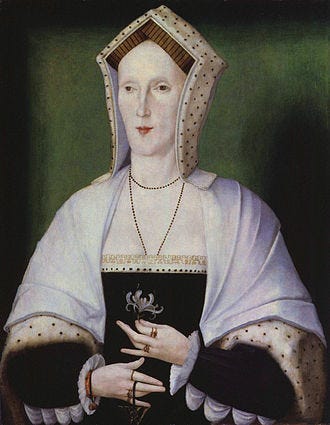
Born on 14 August 1473 at Farleigh Hungerford Castle, Somerset, Margaret Pole was the daughter of George Plantagenet, Duke of Clarence, brother to Kings Edward IV & Richard III, & Isabel Neville, eldest daughter of the Earl of Warwick. As a member of the House of York, Margaret was born into a world of privilege but also into the chaos of the Wars of the Roses. Orphaned by age five, she & her brother Edward, Earl of Warwick, became pawns in the shifting tides of dynastic struggle.
When Henry VII seized the throne in 1485, following the Battle of Bosworth, Yorkist claimants were quick to adhere to the new Tudor regime. Edward was seen as a threat to Henry & was imprisoned in the Tower of London, where he was executed in 1499, leaving her as one of the last surviving Plantagenets. To secure her position, Margaret married Sir Richard Pole, a loyal supporter of Henry VII. The couple had five children, including Reginald Pole, who would become Archbishop of Canterbury & a key figure in the Catholic resistance to Henry VIII’s reforms.
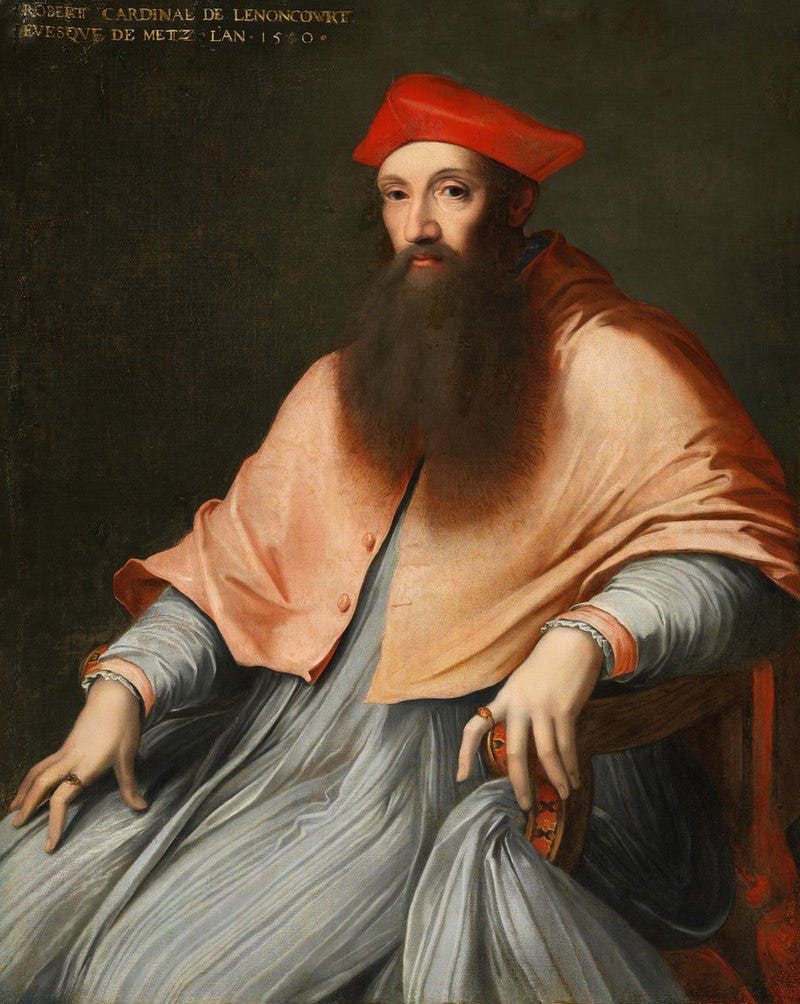
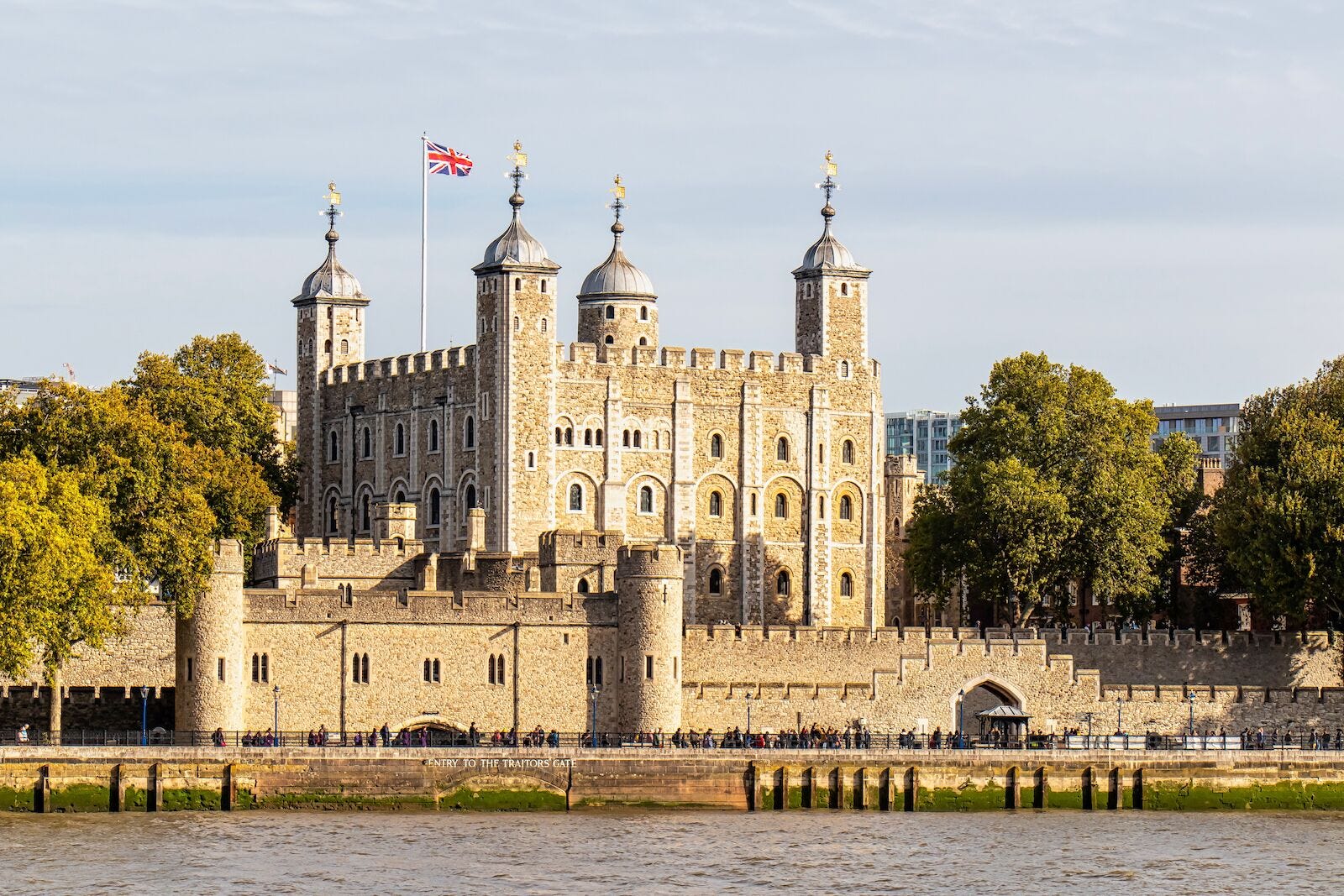
Margaret served as governess to Princess Mary, daughter of Henry VIII & Katherine of Aragon, & was a trusted figure at court. Her loyalty to the old faith would later prove dangerous. Margaret’s fortunes changed dramatically in the 1530s when her son Reginald openly opposed Henry VIII’s break with Rome, & Margaret’s Plantagenet lineage suddenly made her a threat. In 1538, she was implicated in the Exeter Conspiracy, a supposed plot to overthrow Henry & restore Catholic rule in England. Though evidence was scant, Margaret was arrested & imprisoned in the Tower.
On 27 May 1541, at age 67, Margaret Pole was executed at the Tower of London. Her death was brutal & bloody, reportedly requiring multiple blows to sever her head. She was buried at St Peter ad Vincula, within the Tower grounds.
She was recognised as a Catholic martyr & was later beatified by Pope Leo XIII in 1886. Her life remains a symbol of unwavering loyalty, tragic injustice, & the peril of having royal blood in a volatile age.
Margaret Pole’s life was more than noble birth & tragic death, it embodied the peril of royal blood, & the turbulence of Tudor politics. Bridging the Plantagenet past & Tudor future, she remains a compelling figure of 16th-century England.
I knew a little bit of this story. This is a great article and gives me
the impetus to read more.
Pat